



- share:
 Bookmark on Delicious
- Digg this
- Recommend on Facebook
- Share on Orkut
- Share on Reddit
- Share with Stumblers
- Tweet this
- Tell a friend
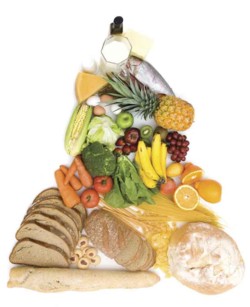
Do you ever have a sore shoulder after a particularly intense round of golf, or a “bum knee” that requires repeated doses of anti-inflammatory medication? New research on inflammation reveals a link to painful joints and muscles, as well as chronic ailments such as heart disease, cancer, and a depressed immune system. The studies also offer significant promise of relief for those suffering from inflammatory conditions. Reduced inflammation can mean reduced pain, which is welcome news for anyone suffering from a painful condition.
Inflammation 101
Inflammation is an internal reaction in response to injury or infection. Tissue in the body becomes inflamed in a healing effort to stop the spread of the injury or infection.
Inflammation can happen anywhere in the body. Sometimes you can see and feel inflammation, and sometimes you cannot. For instance, you can see a cut get red or an ankle swell after spraining it; but you can’t see your internal organs when they become inflamed. You can’t feel the vessels in your heart, but they can also become inflamed. You can’tfeel the vessels in your heart, but they can also become inflamed. Some common conditions associated with inflammation include irritable bowel syndrome, pneumonia, arthritis, gout, cancer, fibromyalgia, and allergies such as hay fever.
If you have a sore back from shoveling snow or raking leaves, you know what inflammation feels like. But you often cannot feel when something inside your body is inflamed. Your doctor can order a blood test called C-reactive protein (CRP) to test for inflammation, but the test is non-specific; while it may indicate the presence of inflammation, it doesn’t reveal specifically where it is.
Researchers think that eating certain foods may contribute to inflammation, while other foods may reduce inflammation. Diet alone may not replace the use of anti-inflammatory medications or treatments, but including anti-inflammatory foods will certainly help reduce recurring inflammation, especially that which leads to chronic diseases.
Pro-inflammatory Foods
The foods thought to cause inflammation are those high in unhealthy fats and simple sugars, and low in nutritional value.
- Saturated fats
High fat dairy such as cream, ice cream, and cheese; fatty cuts of red meat, coconut oil, and palm kernel oil. Certain fatty acids present in saturated fats such as arachidonic acid promote inflammation. It is also a type of fat that sticks to arteries, leading to plaque buildup.
- Trans fats
Hydrogenated oils found in various foods such as deep fried foods, crackers, donuts, and cookies. These synthetic fats lead to atherosclerosis, thickening and inflammation of the arteries.
- Sugar
Various sources found in sweetened beverages, desserts, and candy. A diet high in sugar can cause a spike in blood sugar and a surge of insulin, causing an inflammatory response in the body.
- Refined grains
White bread, white rice, and white pasta. These refined grains have been stripped of much of their nutritional value and fiber, causing a similar blood sugar/insulin response as sugars.
- Nitrites
Processed meats such as deli meats, hot dogs, and sausages. These chemicals can cause cell damage and lead to inflammation.
- Alcohol
Beer, wine, and liquor. While small amounts (one drink per day) may have potential health benefits, larger amounts can contribute to inflammation. Even two drinks per day has been linked to higher levels of inflammation and certain disease risk.
Anti-inflammatory Foods
- Omega-3 fats
Salmon, trout, herring, tuna, certain eggs (read labels), flaxseeds, walnuts, and canola oil. Research strongly supports suggests omega-3 fats as an anti-inflammatory powerhouse.
- Monounsaturated fats
Olives, olive oil, canola oil, nuts, and avocados. These healthy fats should replace the saturated and trans fats to reduce inflammation.
- Antioxidants
Fruits (berries), grapes, cherries, apples, pears, and vegetables such as beans, artichokes, potatoes, cabbage, peppers, spinach, tomatoes, and broccoli. Tea, coffee, whole grains, nuts, and spices are also good sources. Antioxidants help to kill off free radicals, which cause inflammation and damage cells.
- Whole Grains
Whole wheat, quinoa, brown rice, millet, oats, barley, corn, and rye. Whole grains are also high in antioxidants, and the fiber helps to reduce inflammation.
- Lean protein
Skinless white meat poultry, lean beef, lean pork, low- fat dairy, eggs, beans, and soy. Since protein helps to build and repair tissue, it is essential for injury repair and to reduce inflammation.
Supplements

Getting these anti-inflammatory foods in your diet is the best defense. Eating the whole food is always better than getting the nutrient from a pill, because you are getting the synergistic effect of all of the health promoting components of the food, not just a single nutrient extracted into a pill. However, if you are not a fish eater, taking a supplement of omega-3 in the form of fish oil has been shown to be beneficial. Taking 1,000-2,000 mg per day of omega-3 in the form of DHA and EPA has proved most effective. Do not exceed 3,000 mg per day, as higher levels may increase the risk of hemorrhagic stroke.
Check with your doctor if you are taking medications, before you start a regimen of omega-3 supplements.Supplements of antioxidants have not been proven effective. Phytochemicals are naturally occurring plant substances that also have antioxidant-like effects on your body. Eating fruits, vegetables, and whole grains is the only way to ensure you are getting the recommended amount of antioxidants and phytochemicals.
Anti-Inflammatory Diet
- Aim for five to nine servings of high antioxidant fruits and vegetables daily. One serving is one-half cup cooked, or one cup raw, so it is easier than you may think to get all these into a day. Try to get two servings at each meal, and additional servings at snack time.
- Choose whole grains as often as possible. At least three of your daily servings of grain should be whole grain.
- Aim for two to three servings of low- or reduced-fat dairy per day. Choose low-fat yogurt, skim or 1% milk, or reduced fat cheese.
- Get one or more servings of beans every day. Beans are high in soluble fiber, and red beans are the highest antioxidant vegetable. Choose from kidney, red, pinto, black, garbanzo, cannellini, great northern, lima beans, black-eyed peas, and lentils.
- Eat fish. Aim for a serving a fatty fish at least three times per week. A daily serving is even better. You can get omega-3 from flax, walnuts, and canola oil, but fish is the richest source of EPA/DHA, the healthiest kinds of omega-3s.
Breakfast
Oatmeal with 1 T. ground flax seed, blueberries, and skim milk. Drink a cup of tea or coffee if desired.
On the golf course
Eat a banana and drink plenty of water.
Lunch
Mixed green salad with red pepper, sun-dried tomatoes, artichokes, olives, garbanzo beans, feta cheese, and balsamic vinaigrette. Eat with a cup of black bean soup and a small whole-grain roll.
Snack
Reduced-fat string cheese and whole grain crackers.
Dinner
Roasted potatoes tossed with olive oil, rosemary, basil, and oregano. Sautéed spinach and garlic with golden raisins. Grilled salmon with lemon. Baked apple with cinnamon.