



- share:
 Bookmark on Delicious
- Digg this
- Recommend on Facebook
- Share on Orkut
- Share on Reddit
- Share with Stumblers
- Tweet this
- Tell a friend
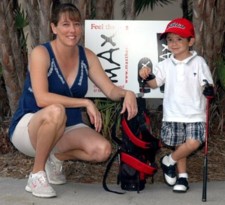
Imagine not being able to eat a normal diet of chicken, milk, cheese or even bread. Now imagine being a parent of a small child that can’t eat these foods, because the essential amino acids found in these foods can be toxic and cause neurological problems and permanent brain damage to their child.
Amino acids are found in all foods, but foods high in protein have the greatest amounts of amino acids. Enzymes that are produced by the human body break down amino acids for proper growth and development. People with a rare genetic disorder called Phenylketonuria (PKU) do not make the enzyme Phenylalanine Hydroxolase (PAH) that breaks down the amino acid Phenylalanine (PHE), one of the eight essential amino acids. In the absence of this enzyme, PHE accumulates in the bloodstream and becomes toxic to the brain.
If the toxins build up in the child’s blood, they can not only poison their brain tissue, but also interfere with normal brain function, cause retardation, neurological damage and deficits including problems with cognitive skills and behavior resulting in difficulty with activities of daily life.
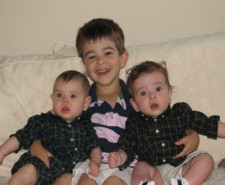
“I wake up first thing in the morning thinking about making Dominic’s meals for the day”, says David Donatucci Director of Fitness and Performance at the PGA Learning Center at the PGA Golf Club located in Port St. Lucie, Florida, whose 3-year-old son was diagnosed with PKU when he was an infant. “We regulate everything he eats, every day. We have to make a special formula drink for him and weigh all the foods he eats.”
Besides monitoring Dominic’s diet, David and his wife must take him to see a specialist every six months and do weekly blood work tests to make sure that his blood does not become too toxic for his brain.
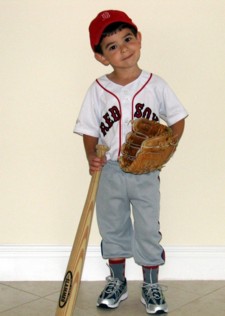
“It is a way of life for us now, but in the beginning it was very stressful. The other day, Dominic was invited to a birthday party. We had to call ahead to find out what they were serving. We had to make a special pizza just for Dominic,” says Donatucci, who started a charity golf tournament called “Play a Round for PKU” to raise funds for the disorder.
Donatucci wants to bring awareness to the disorder and help support other parents with children with PKU, which affects 1 in every 25,000 newborns a year.
“We will donate the money for research and develop a support group for individuals and families affected by PKU”, says Donatucci, who plans include developing special cooking classes, cookbooks and a network to help parents cope with the constant fear that their child may be eating toxic foods.

Currently, the only effective treatment for individuals living with PKU is to drink a prescribed medical formula and adhere to anextremely restricted low protein diet, consisting mainly of fruits and vegetables and specialty low-protein medical foods, for life. Individuals with PKU are not able to many of the foods we take for granted such as meat, fish, poultry, grain products, soy, nuts or dairy.
For more information about Donatucci’s charity event “Play a Round for PKU” or to donate money visit www.floridapku.com.